What kids practice
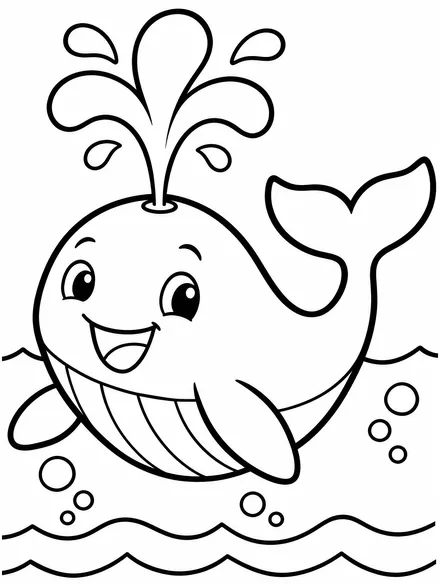
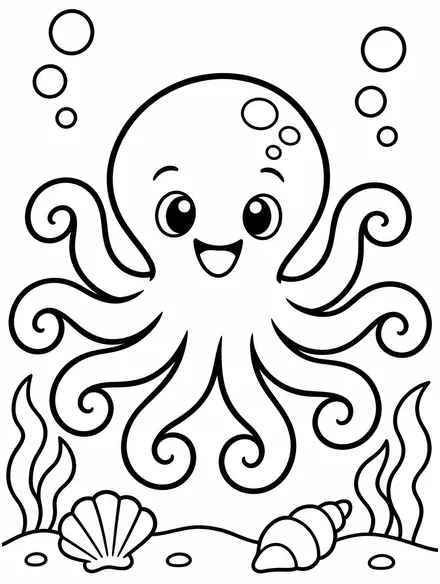
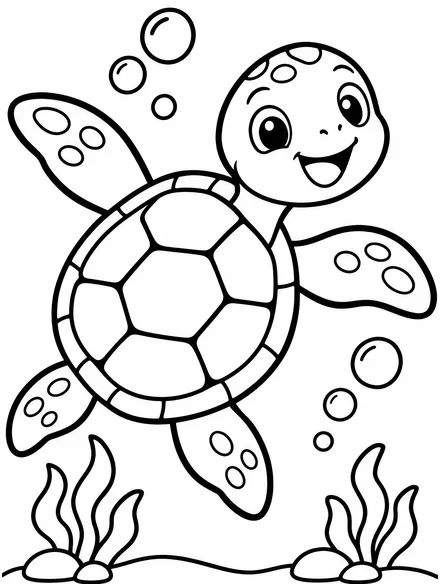
- Learning real sea animal names and body parts like fins, flippers, shells, claws and tentacles
- Counting arms, bubbles, fish and shells
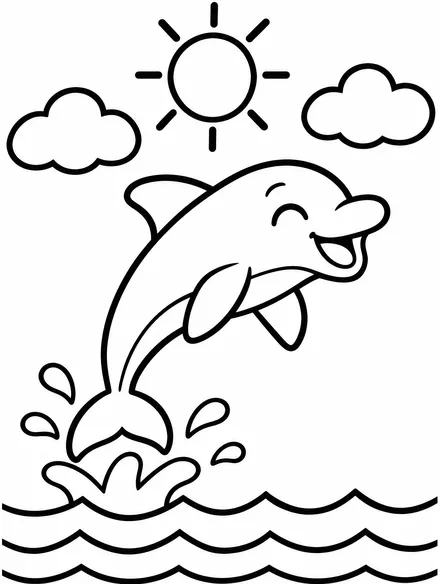
- Sorting animals into fish and not fish (sharks and seahorses are fish; whales, dolphins, octopuses and crabs are not)
Ways to use these pages
- Make an ocean wall: color the pages, cut out the animals, and tape them onto a big sheet of blue paper.
- Before a trip to an aquarium or the beach, color the animals you hope to see, then check them off when you spot them.
- Sort the finished pages into animals that come up to breathe air (whale, dolphin, sea turtle) and animals that breathe underwater with gills (shark, seahorse).
- Read an ocean picture book together and color the page that matches each animal you find in the story.
Questions
What age are these ocean animal coloring pages for?
Most pages suit ages 3 to 8. The whale, jellyfish and crab pages have the biggest open shapes for preschoolers. The sea turtle shell, octopus arms and seahorse stripes have more parts for kids who like detail. If a page feels too busy, color the animal together and let your child finish the water.
Which sea animals are included?
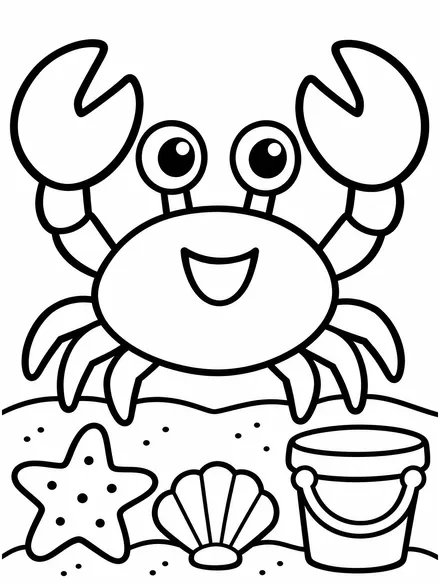
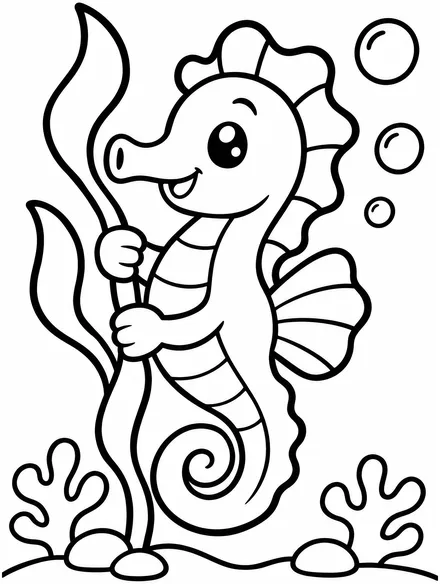
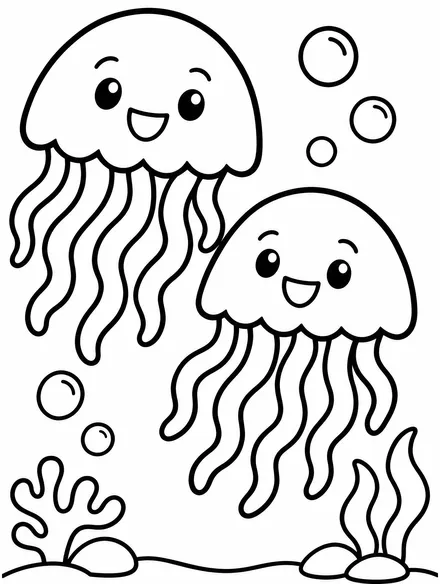
A whale, an octopus, a sea turtle, a dolphin, a shark, a crab with a starfish, a seahorse and two jellyfish. Each page has a few simple facts to share and a letter, counting or sorting idea.
Is the shark page scary?
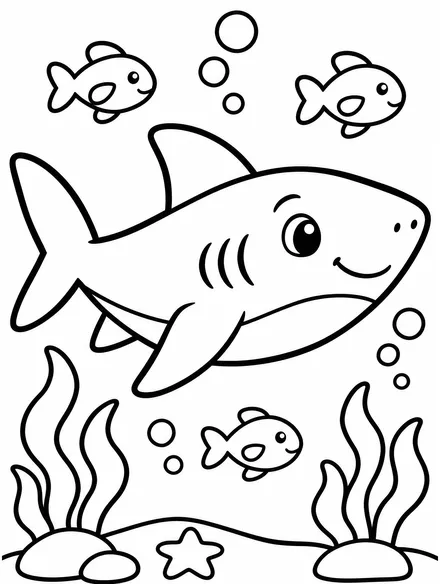
No. The shark has a closed-mouth smile and swims next to little fish, so it suits younger kids who love sharks but don't want sharp teeth on the page.
Is there an ocean homeschool week to go with these?
Yes. Our free placement check builds week 1 of a preschool or kindergarten plan for your child, and if you pick ocean animals as their theme, the counting and ten frame pages are drawn with sea animals, and a short story stars your child. It takes about 5 minutes and needs no card. These coloring pages stay free either way.