What kids practice
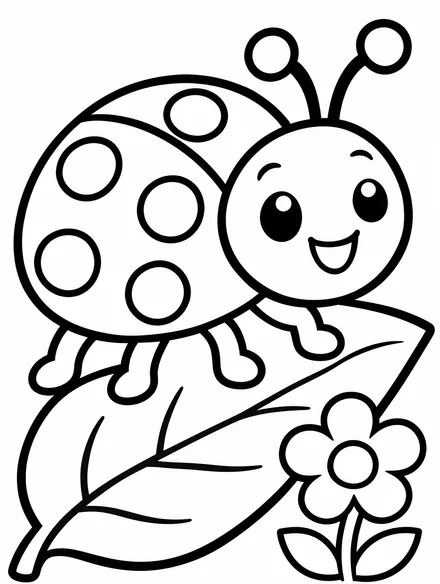
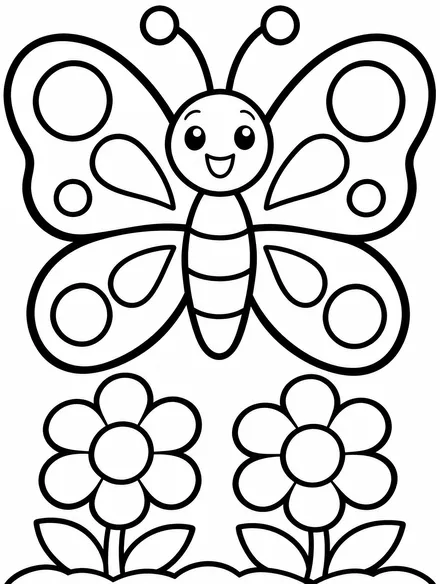
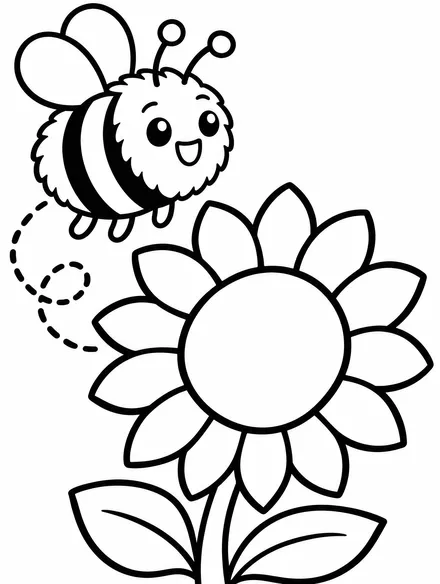
- Naming insect body parts: head, wings, legs and antennae
- Counting spots, stripes, wings and hops
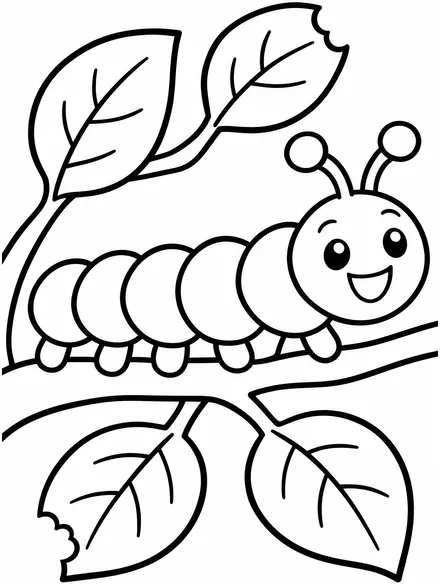
- Talking about life cycles, from caterpillar to butterfly
Ways to use these pages
- Take a few finished pages on a backyard or park bug hunt and look for the real thing. Check off each bug you find.
- Make a bug jar picture: color and cut out the bugs, then glue them inside a big jar shape drawn on paper.
- Sort the pages into bugs that fly and bugs that crawl or hop. Some do both, which makes for a good talk.
- In a spring science unit, pair the caterpillar and butterfly pages to talk about how one turns into the other.
Questions
What age are these bug coloring pages for?
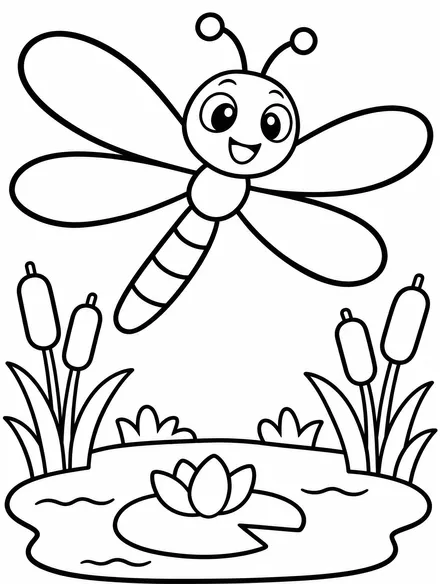
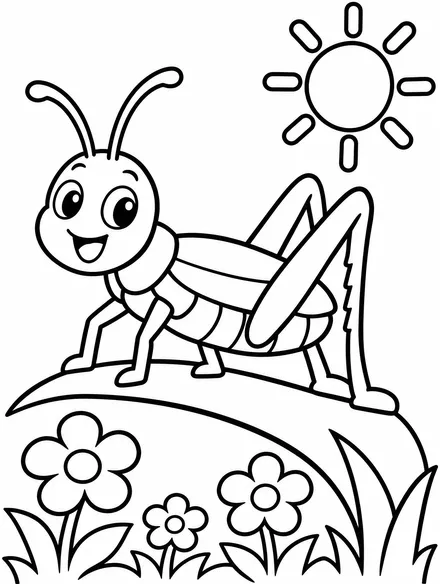
Most pages suit ages 3 to 8. The ladybug, caterpillar and bee have the biggest open shapes for preschoolers. The dragonfly, butterfly and grasshopper pages have more small parts for kids who like detail.
Which bugs and insects are included?
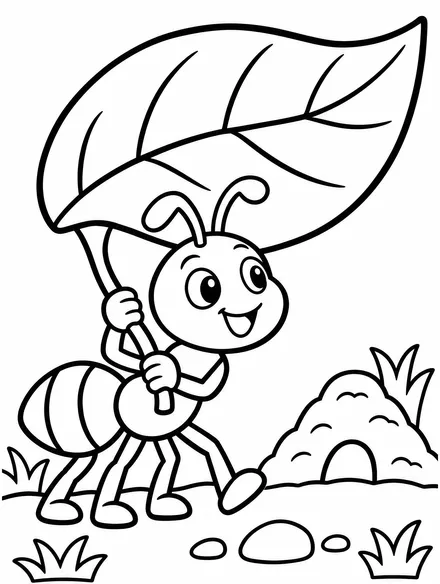
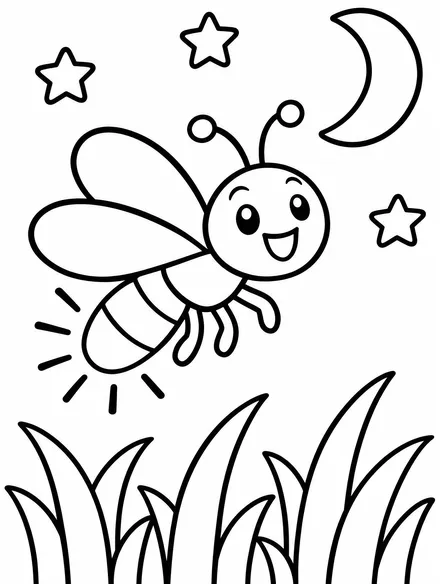
A ladybug, a butterfly, a bumble bee, a caterpillar, an ant, a dragonfly, a grasshopper and a firefly. All of them are insects (a caterpillar is a young butterfly or moth), and each page has simple facts to share while coloring.
Are bugs and insects the same thing?
In everyday talk, people call most small crawling and flying creatures bugs. Insects are one group: they have six legs and three main body parts. Spiders have eight legs, so they are not insects. Counting legs on a real ant or ladybug outside is an easy way to show the difference.
Is there a bug homeschool week to go with these?
Yes. Our free placement check builds week 1 of a preschool or kindergarten plan for your child, and if you pick bugs as their theme, the counting and ten frame pages are drawn with bugs, and a short story stars your child. It takes about 5 minutes and needs no card. These coloring pages stay free either way.