What kids practice
- Building science vocabulary with real dinosaur names and features
- Comparing size, shape, and body parts like horns, plates, sails, and clubs
- Clapping syllables in long names like stegosaurus and brachiosaurus
Ways to use these pages
- Match each finished page to a dinosaur book or toy figure, and talk about how the picture and the model look the same or different.
- Sort the pages into plant eaters and meat eaters as a simple science activity for preschool or kindergarten.
- For a dinosaur birthday party, set out the pages with crayons as a quiet table activity while guests arrive.
- Hide the colored pages around the room and send kids on a fossil hunt, reading or sounding out each dinosaur name they find.
Questions
What colors were dinosaurs really?
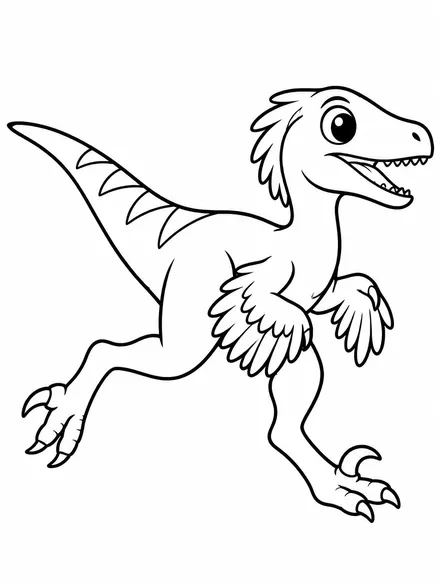
For most dinosaurs, scientists don't know. Skin and feather colors rarely survive in fossils, so kids can use any colors they like and still be right. Scientists sometimes find clues in fossil feathers that hint at dark or striped patterns, so a striped dinosaur is a fair guess too.
Are these dinosaur pages good for preschoolers?
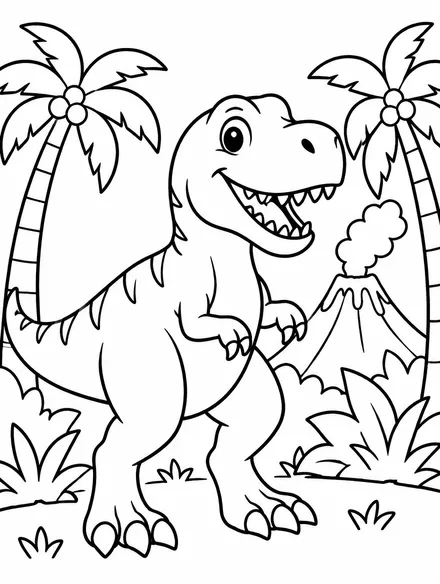
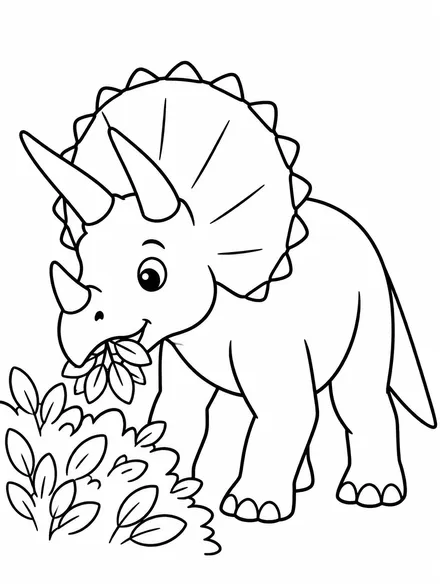
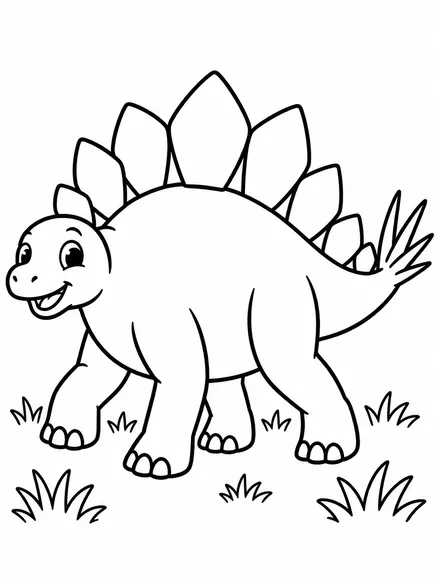
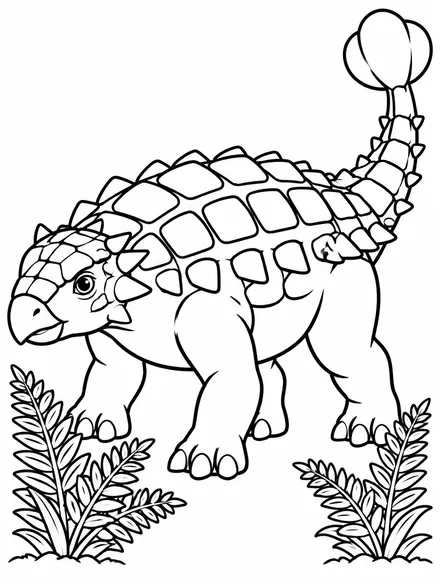
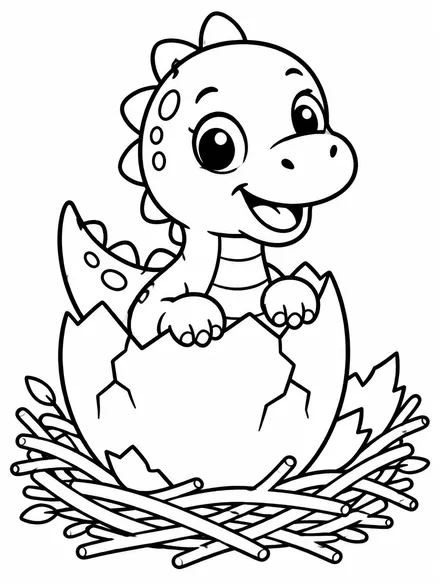
Yes. The baby dinosaur egg, stegosaurus, and triceratops pages have large shapes for ages 3 to 5. The T. rex jungle and ankylosaurus armor have more details for kids 5 and up. If a page has too much detail for your child, color the dinosaur together and let them finish the background.
Which dinosaurs are included?
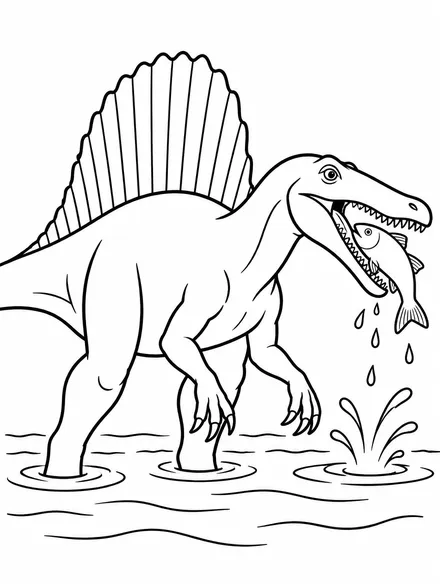
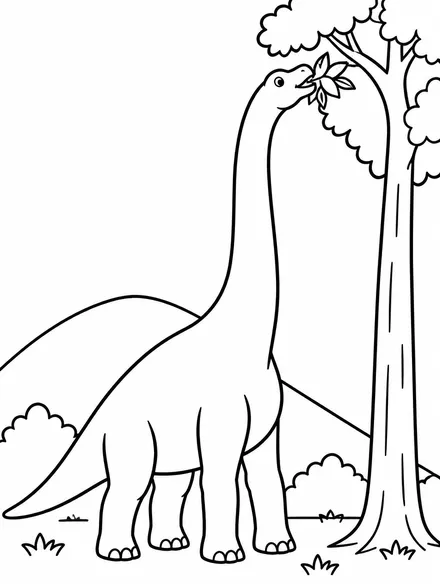
T. rex, triceratops, stegosaurus, spinosaurus, brachiosaurus, velociraptor, ankylosaurus, and a baby dinosaur hatching from an egg. Each page also has its own conversation starters and simple facts to share while coloring.