
What kids practice
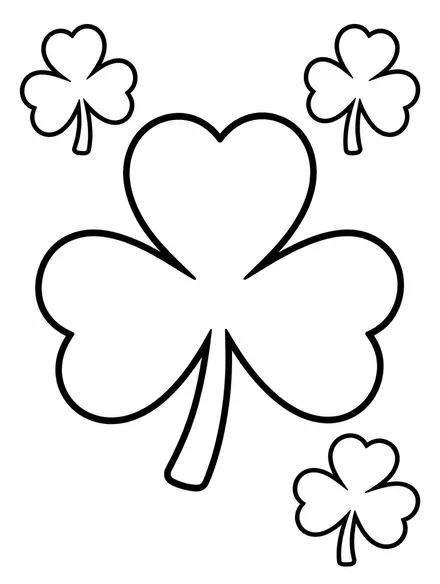
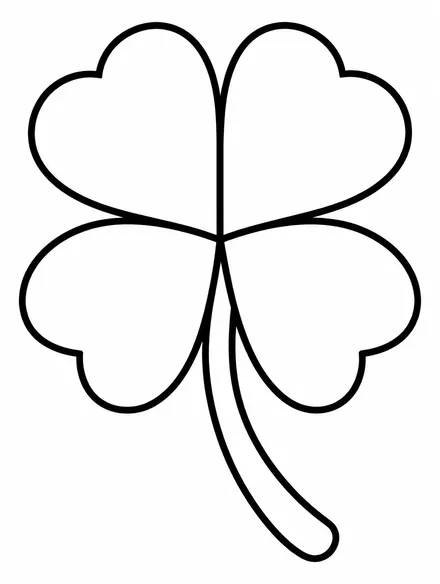
- Counting leaves on shamrocks and four-leaf clovers
- Naming rainbow colors in order
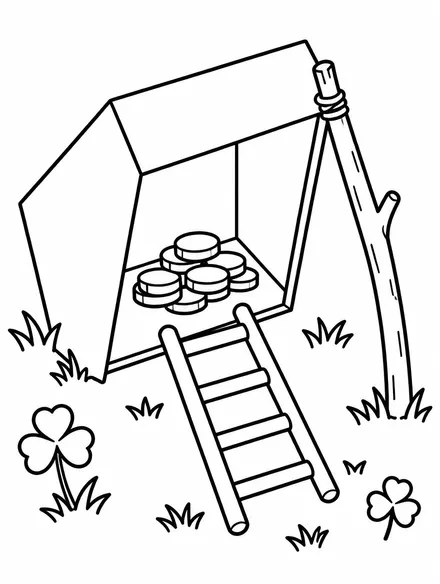
- Early engineering talk about how a leprechaun trap works
Ways to use these pages
- Color the leprechaun trap page first, then build a real trap from a shoebox, a stick, and some gold coins.
- Go on a clover hunt outside, then color the shamrock and four-leaf clover pages and count the leaves on each.
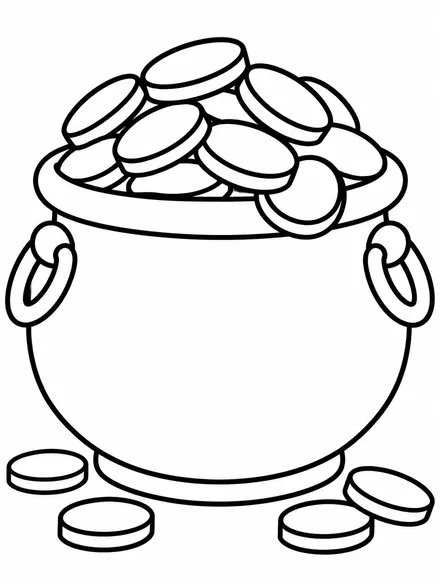
- In class, hang the rainbow pages in a row along a wall with a pot of gold at the end.
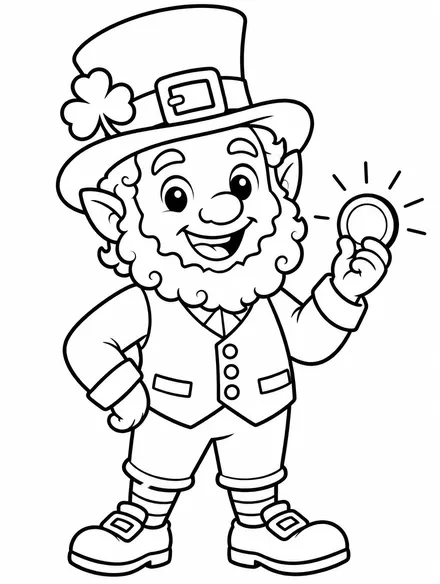
- Read a book about leprechauns, then color the leprechaun page and have kids write or dictate what they would wish for.
Questions
What age are these St. Patrick's Day coloring pages for?
Most suit ages 3 to 8. The shamrock and four-leaf clover have big, simple shapes for toddlers, and the leprechaun and trap pages have more detail. Younger kids can color the big shamrock while older siblings fill in the leprechaun's buckles and coins.
When is St. Patrick's Day?
St. Patrick's Day is celebrated every year on March 17. Many schools mark the day with green clothing, crafts, and a leprechaun hunt.
Can I use the trap page for a classroom STEM project?
Yes. Many classes color the trap page as a plan, then build a trap from cardboard, tape, and craft supplies. Kids can label the parts of their plan, like the bait, the ladder, and the trigger stick, before building.